Vis is the furthest off the mainland among inhabited Croatian islands. It is 45 km from the coast and 50 km from Split. On the other hand it is only 150 km to Italy. The location, combined with the fact that – as unique on the Dalmatian coast – Vis has its own sources of drinking water, have caused the island’s attractiveness to various rulers. Looking at the island’s 19th century history, it can be seen to how it was ruled by Austrians, Frenchs and Brits, and the Italians also fought for it. No less turbulent was the story of the island during World War II. In 1943, the Croatian and Serbian partisans were supported by the Allies in the fight against the Germans, which was dedicated to the maintenance of the Dalmatian islands. They lost Brač, Hvar and Korcula, but managed to keep Vis, Biševo and Sveti Andrija. Allied forces continued to support the guerrillas. In 1944, about 1000 British soldiers were stationed on Vis. In the same year the hospital and the airport were built. The airport were used by the American Army stationed in Italy (15th Air Force) and British Army and partisans.

On December 17, 1944, a bomber B-24 Liberator and others set off from base in Torretta towards the town of Odertal, near the Polish-German border. The plane was the last piece produced in the Douglas Factory in Tulsa, Oklahoma, and its built was paid by the factory workers and local residents, who gave it a nickname Tulsamerican. Over the Czech Republic, the formation was attacked by German division. As a result, the B-24 bomber got damaged one engine and hydraulic system. It was also often hit in the wings and hull. After all there was no chance of returning to the base in Italy. It soon became apparent that the only emergency was landing at the Allied airfield on the island of Vis.
B-24 “Tulsamerican” — THE FINAL FLIGHT
Off the southern end of Vis lies one of the island’s greatest underwater treasures:
the Consolidated B-24 Liberator, a WWII American bomber discovered only in the early 2000s — and
today considered one of the most extraordinary aircraft wrecks in the Adriatic.
On December 17, 1944, the Tulsamerican was returning from a bombing mission over Germany
when it sustained heavy damage. Unable to reach its base in Italy, the crew attempted an emergency
landing near Vis, which was then controlled by Allied forces.
The aircraft struck the sea violently. Three crew members were lost; the others were rescued by
fishermen and partisans.
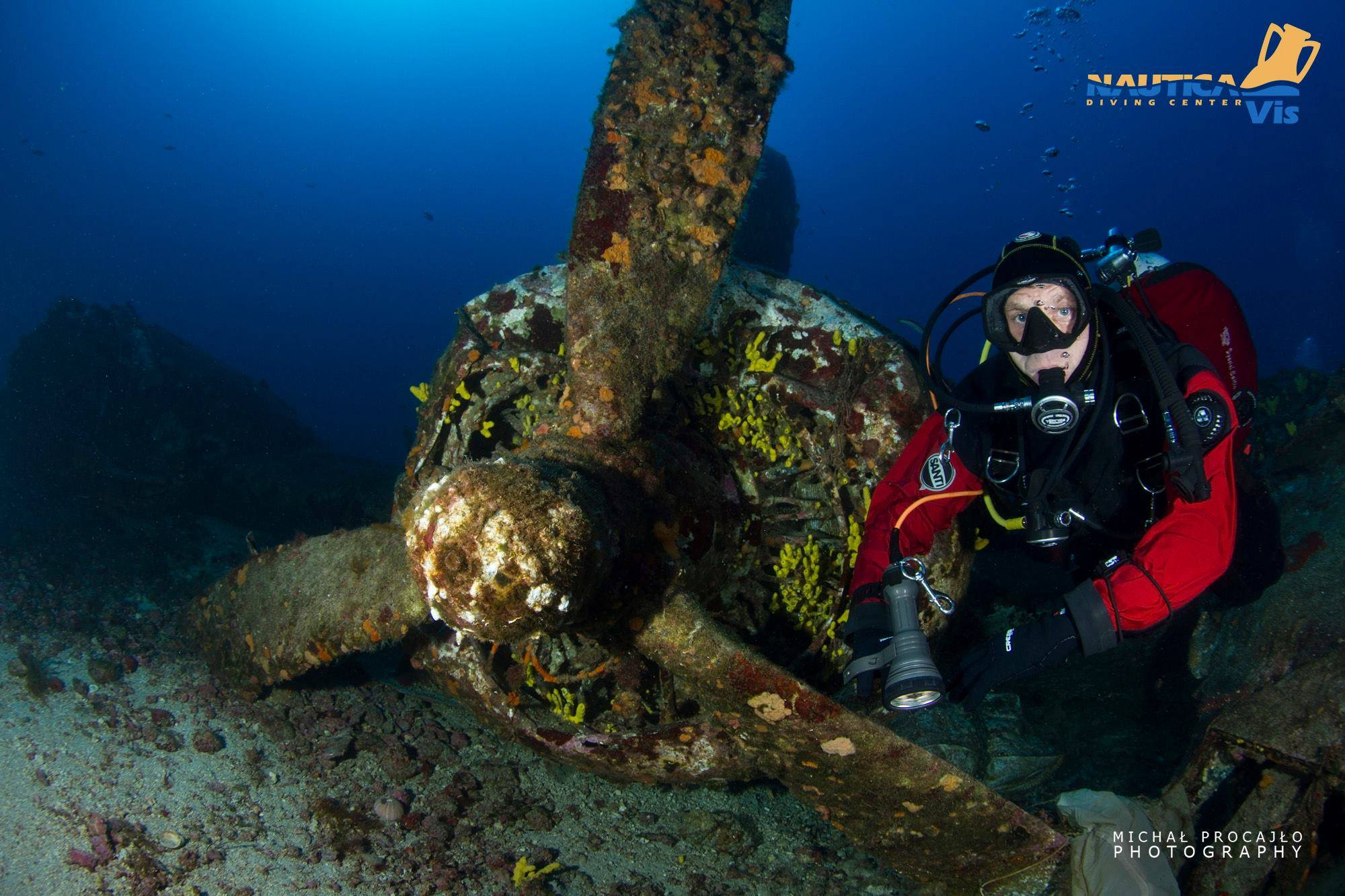
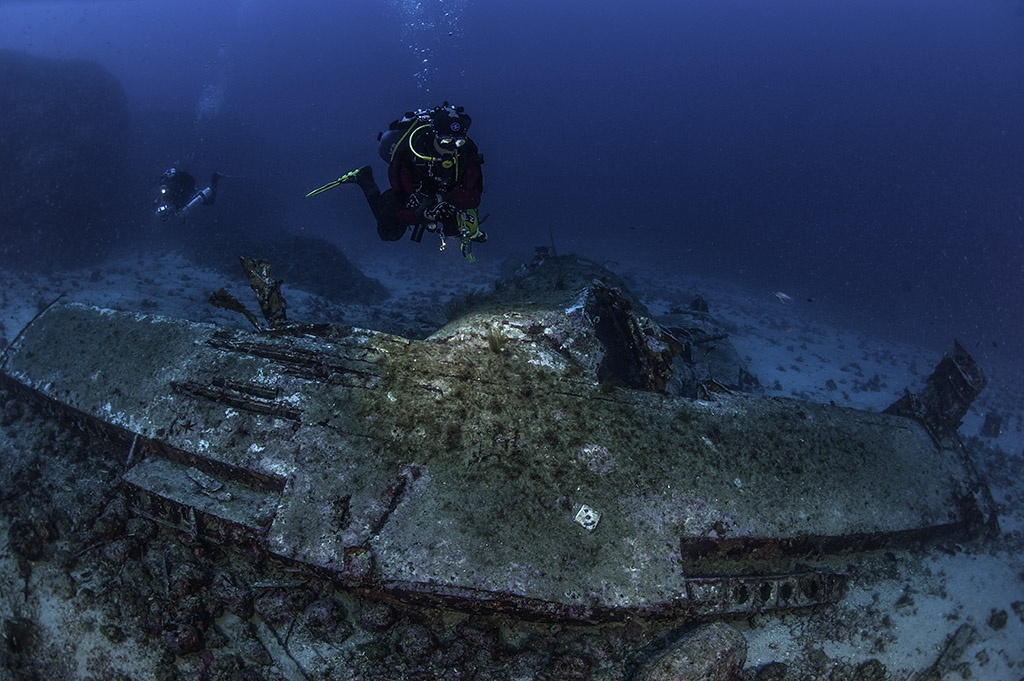
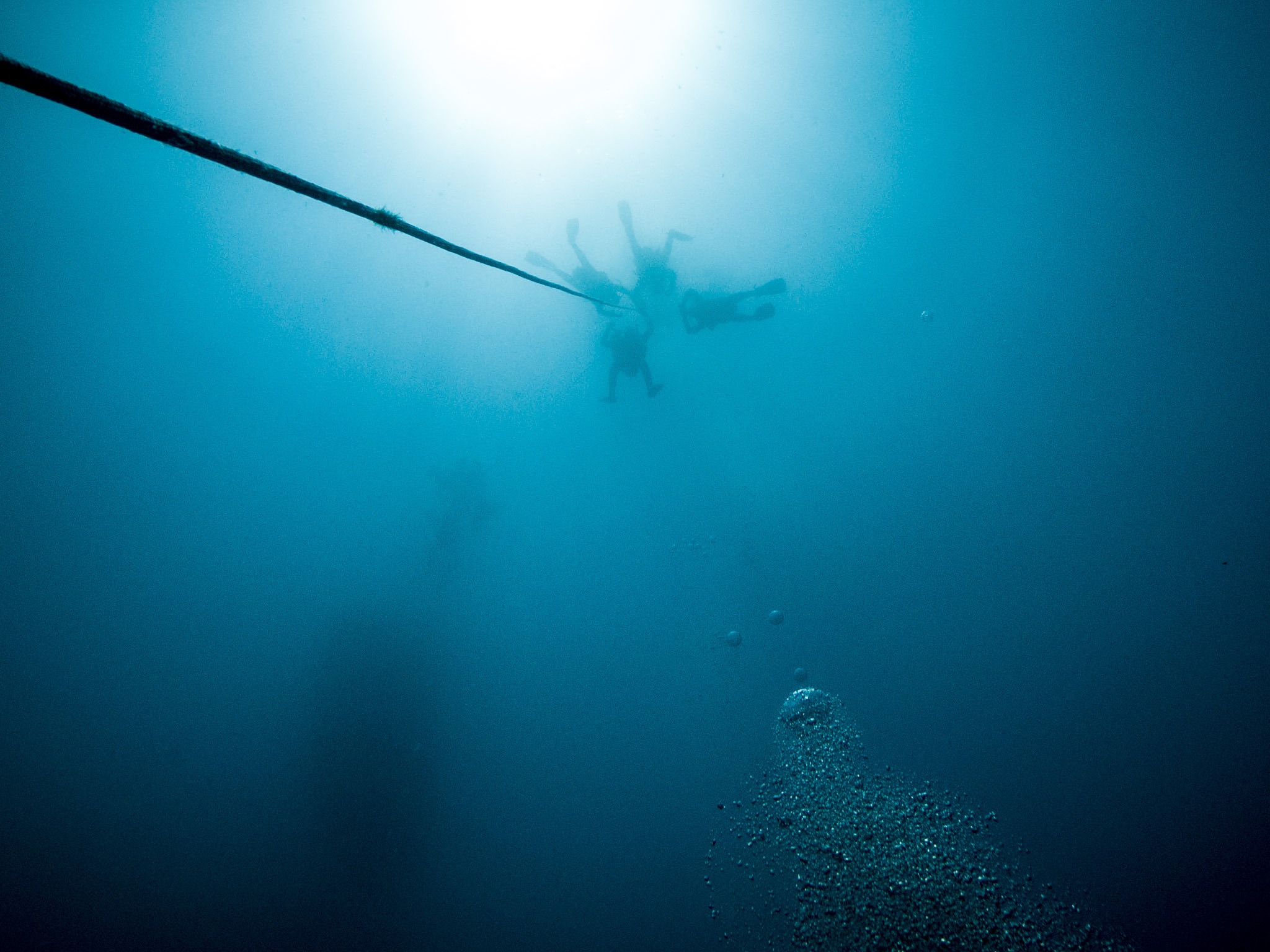
Today, the wreck rests at 38–52 meters, making it accessible to experienced recreational divers and
an absolute must-see for anyone qualified to dive that deep.
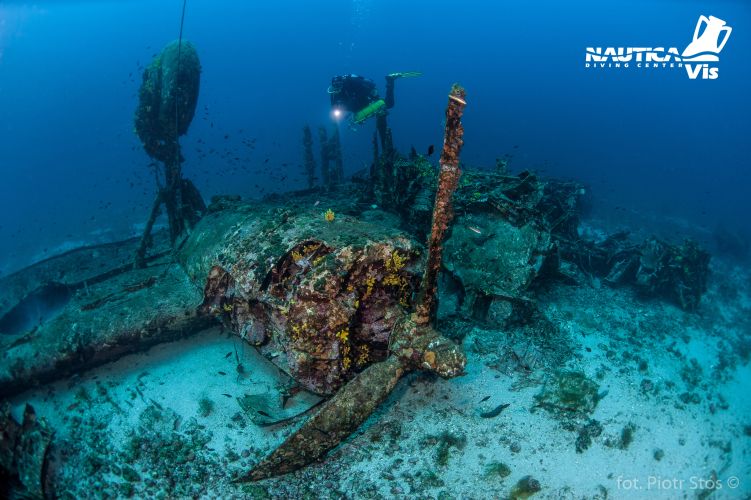
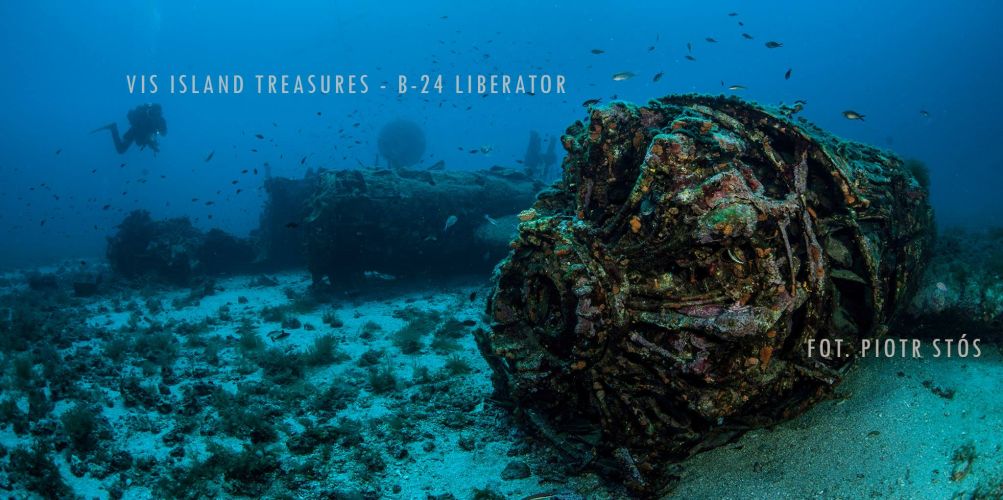
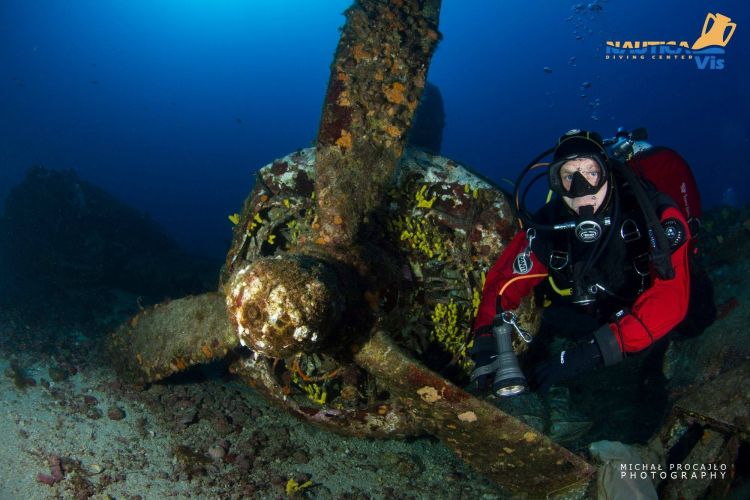
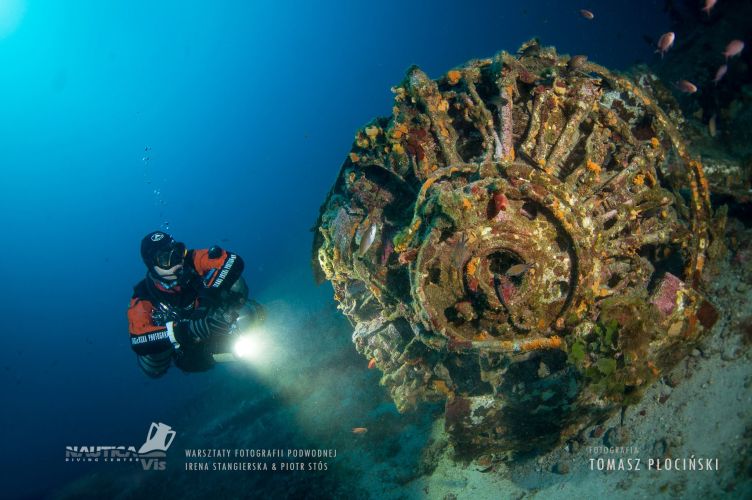
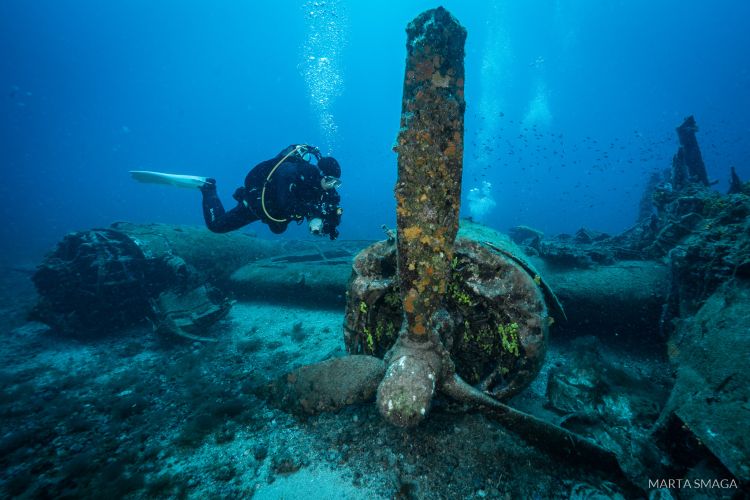
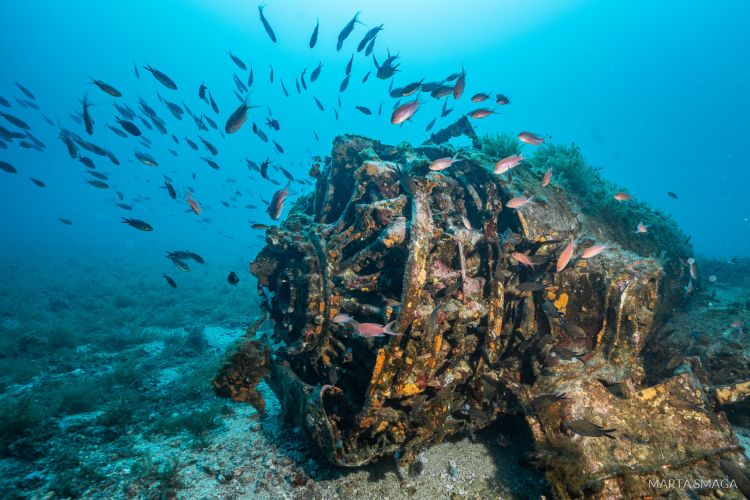
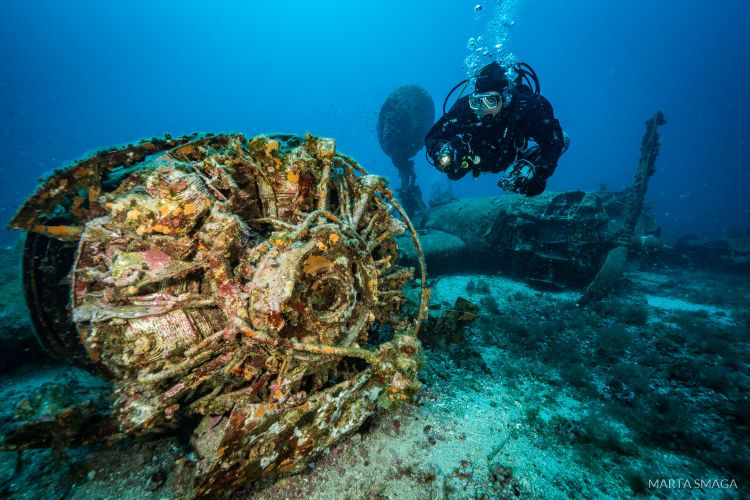
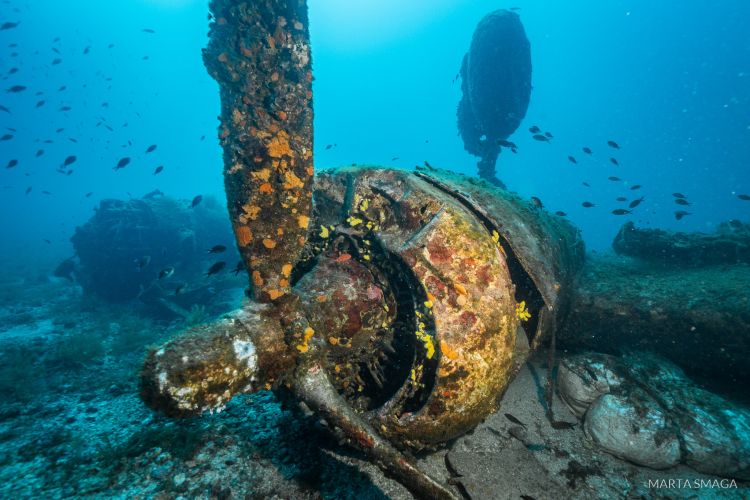
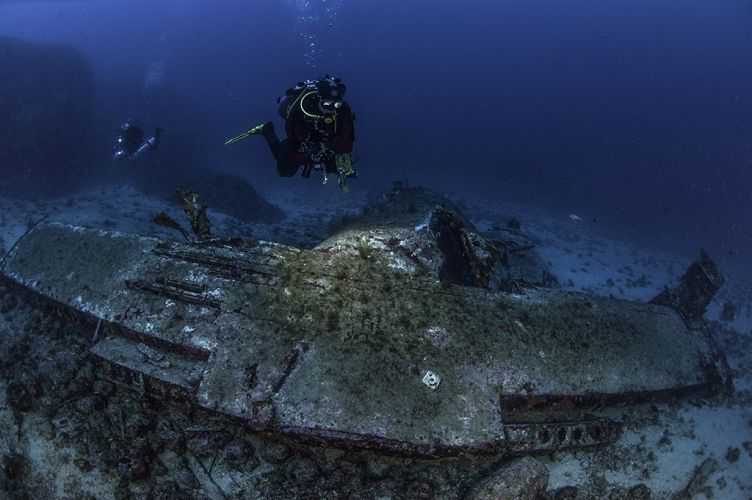
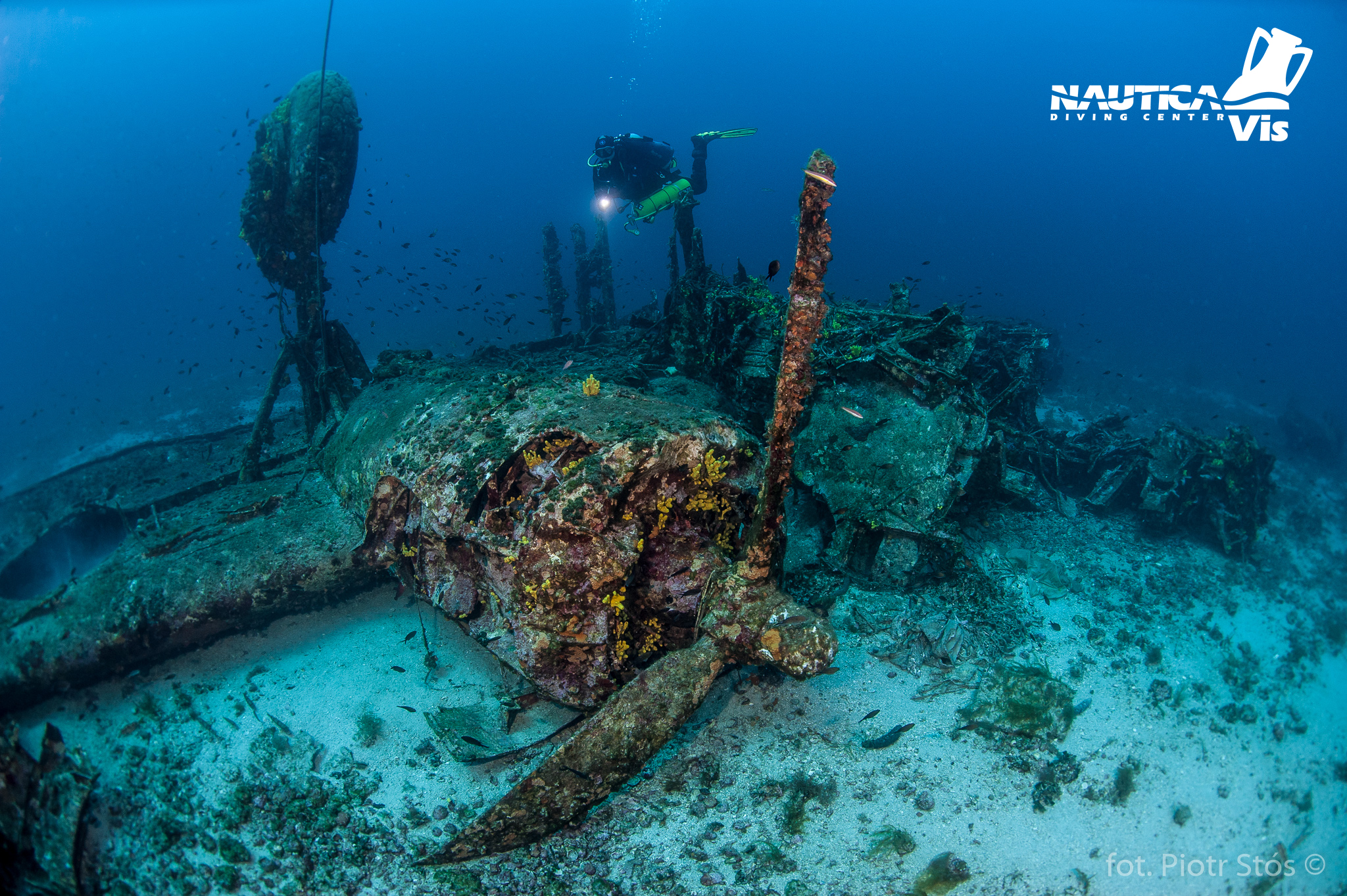
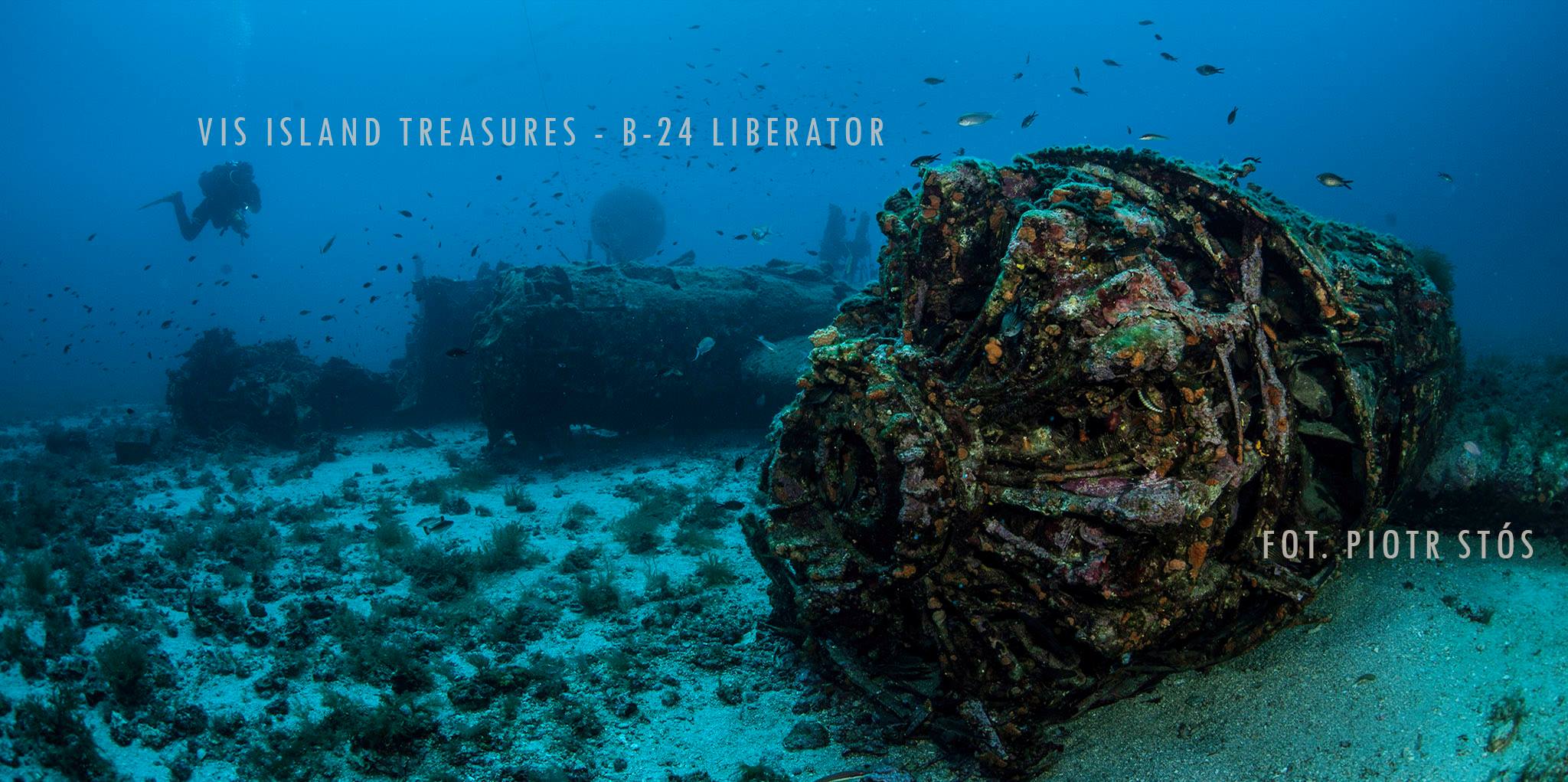
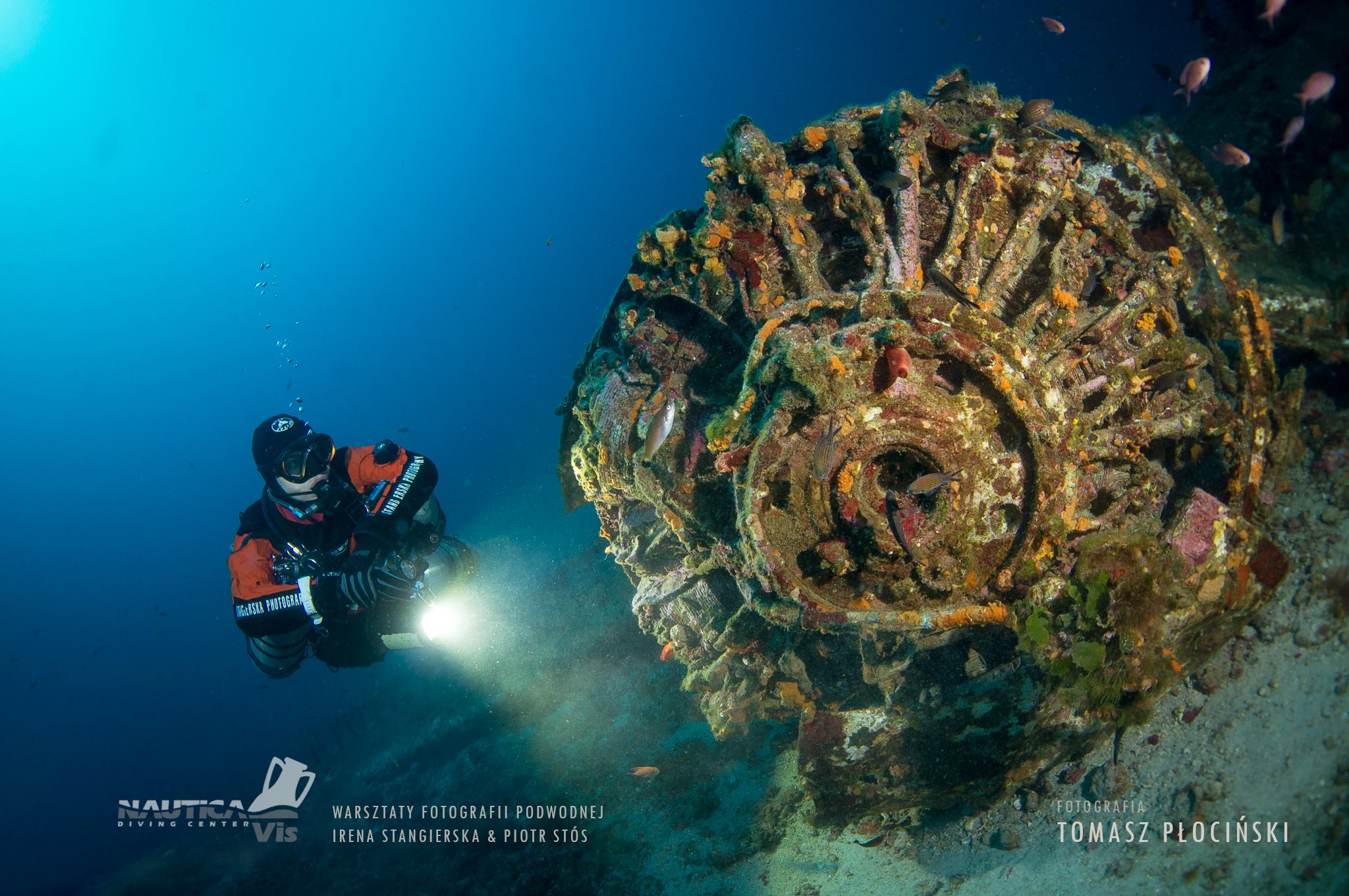
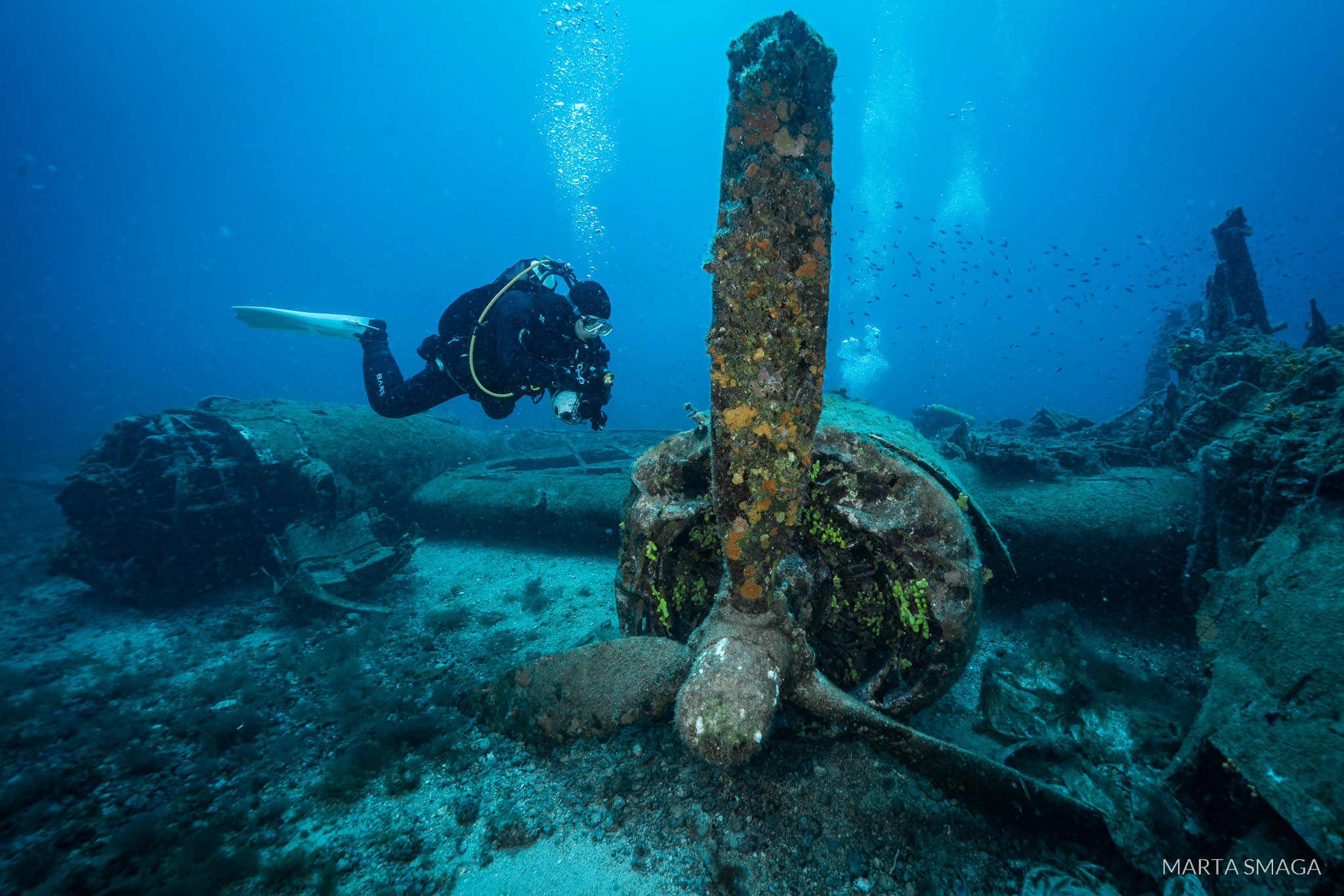
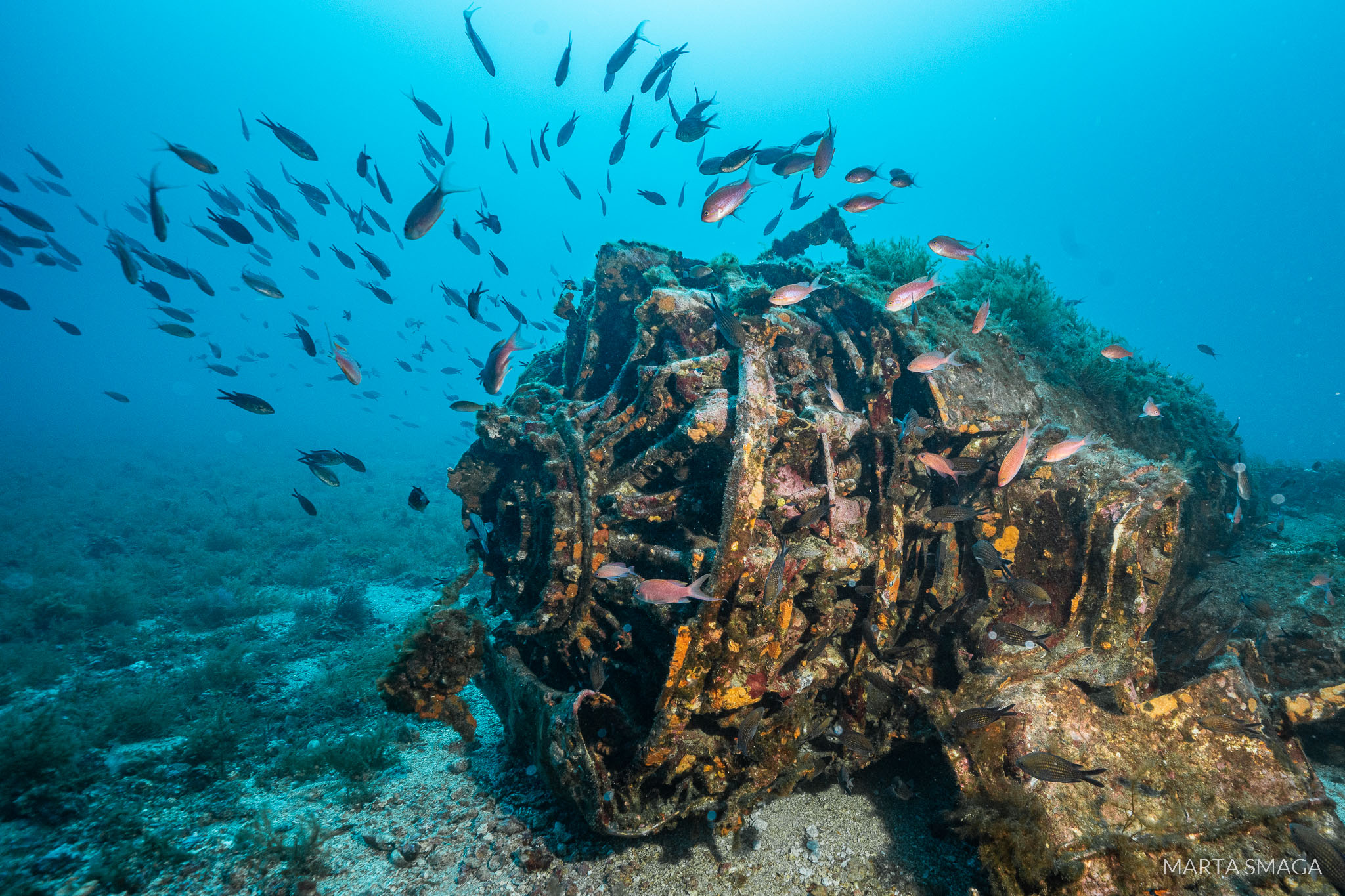
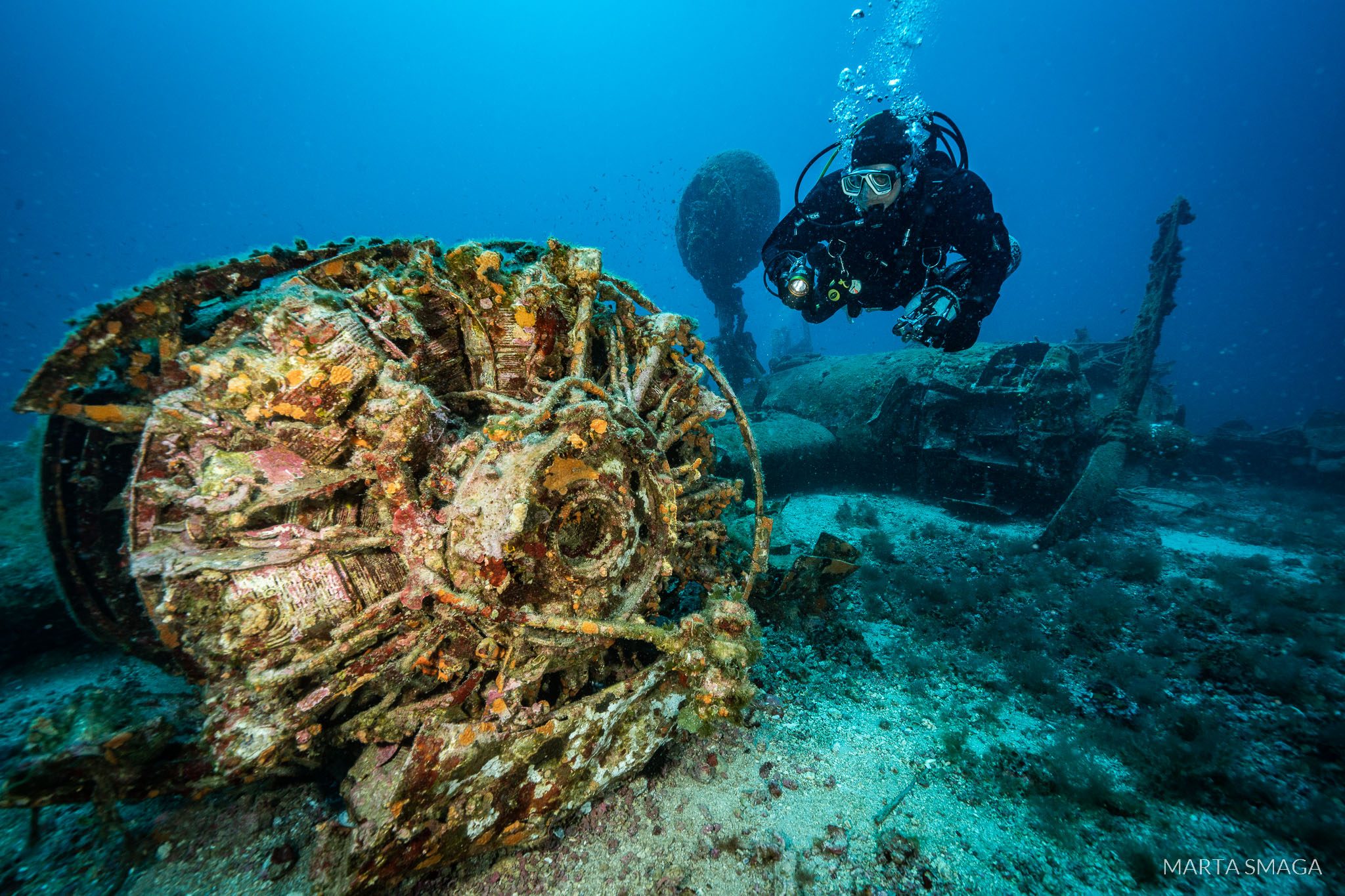
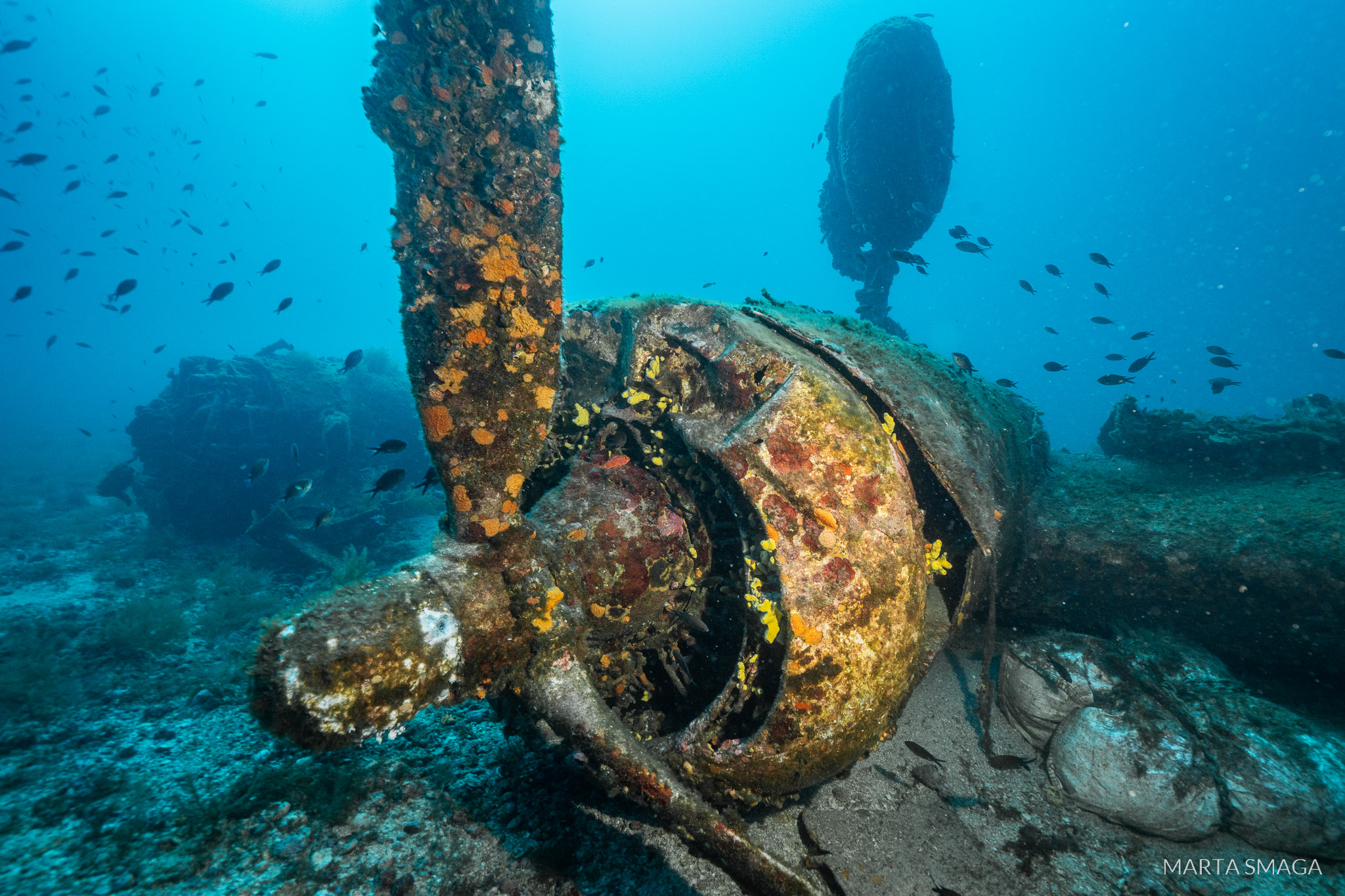
The aircraft lies broken into several sections, but its iconic silhouette is unmistakable:
the engines, the tail section, and parts of the wings still hold their shape, all draped in soft sponges
and surrounded by curious fish.
It is both a dramatic historical monument and a profoundly moving dive.