

What about
Non Divers
Vis island – attractions not only for divers
Although there are five diving centres on the island of Vis, and the number of interesting dive sites lets people stay for months on the island to explore them all, there is plenty of attractions besides diving. The phenomenon of Vis as the island for divers results from, among others, its location. Vis island is the furthest off the mainland among inhabited Croatian islands, what results in higher biodiversity of marine life than around the other islands. Besides, the island is relatively small – it’s ninth island considering area, but thinking about heights it is ranked on the fifth place. That is why the dive sites are deep and the walls are steep. Another thing which makes the diving even more interesting is the military history of the island resulting in numerous wrecks sunken under the water.
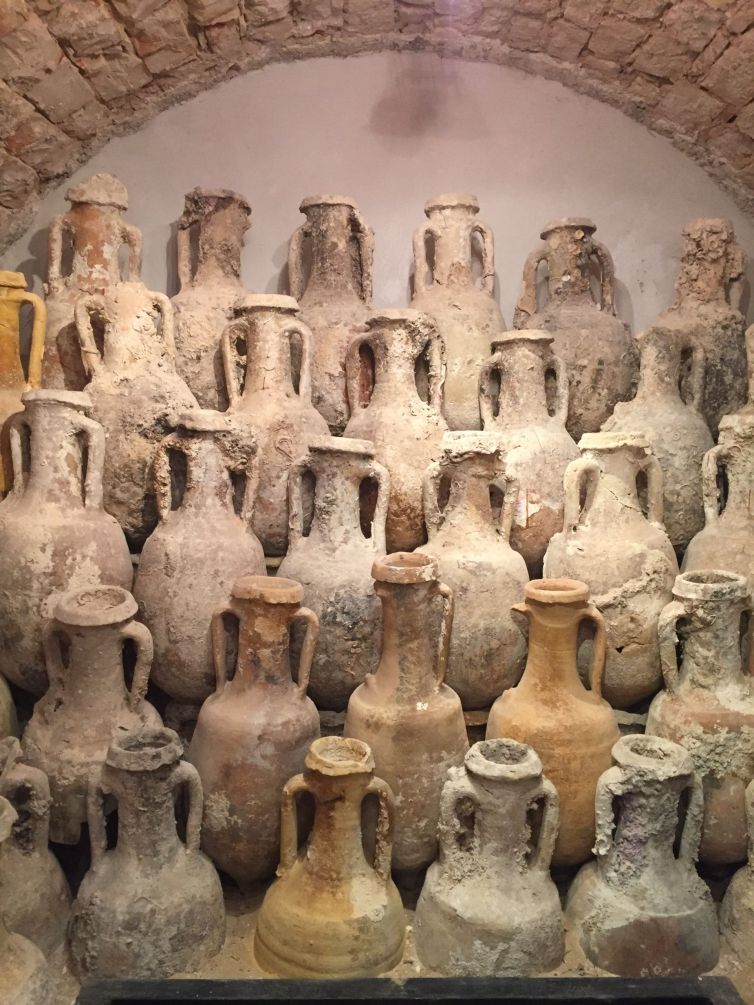
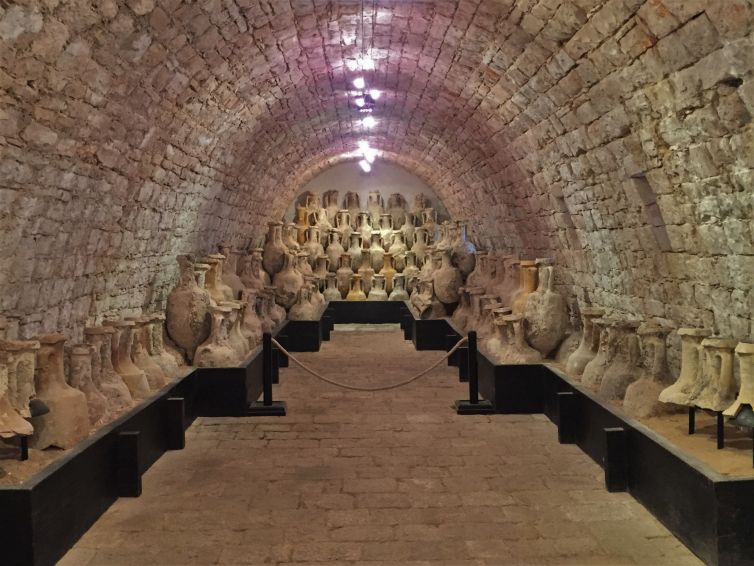
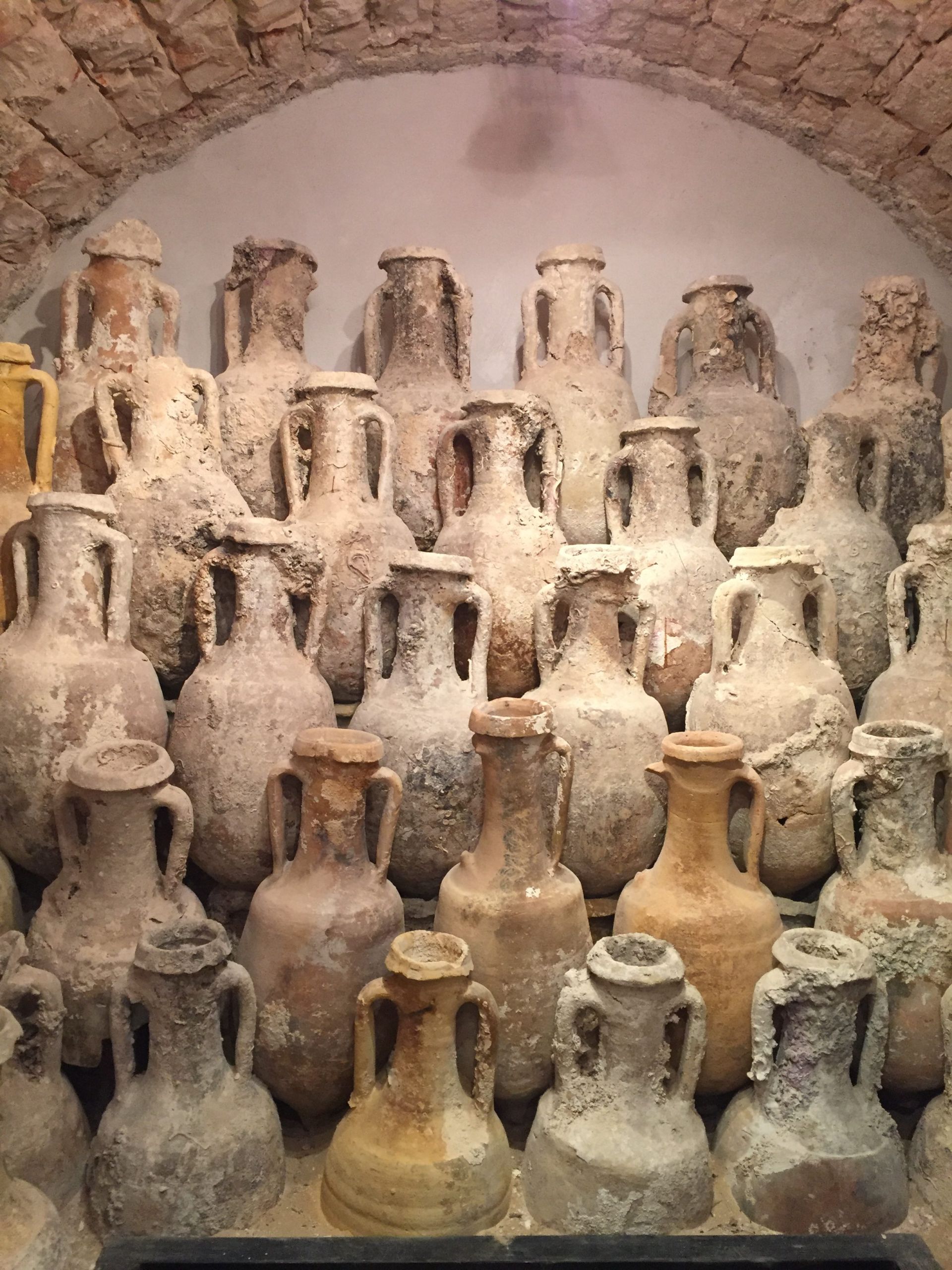
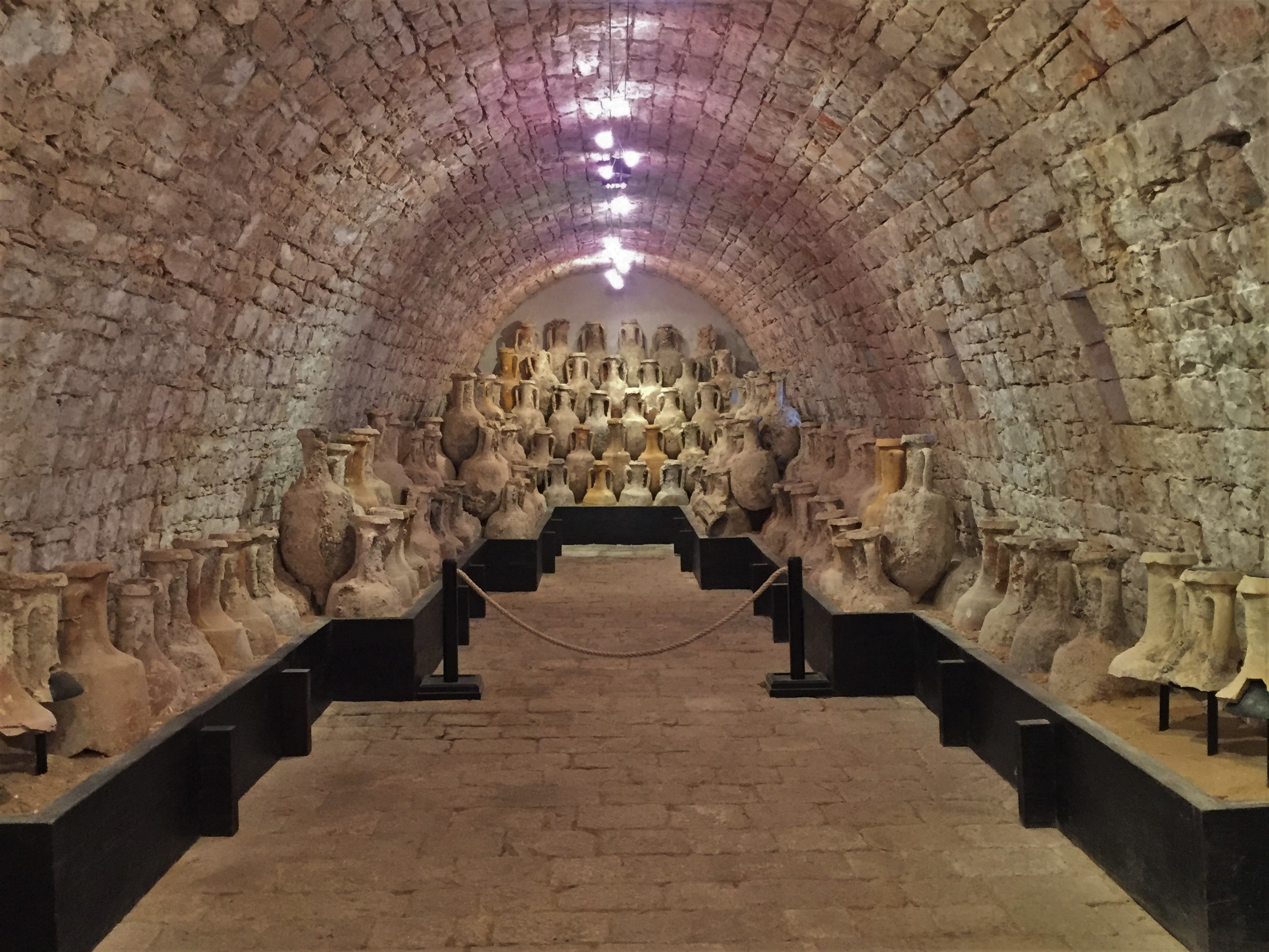
The reasons divers visit the island of Vis are largely the same as those attracting other visitors. The first and most obvious is its location. The island’s distance from the Croatian mainland makes access more challenging than to many other islands, and this isolation has shaped its development over centuries. In ancient times, when the Greeks established a colony here, Vis became an independent polis with its own currency. Even today, traces of this ancient past are clearly visible, especially in the town of Vis, where visitors can see a Hellenistic necropolis and Roman baths. A rich collection of archaeological artifacts is housed in the local museum in Vis, which is well worth a visit.
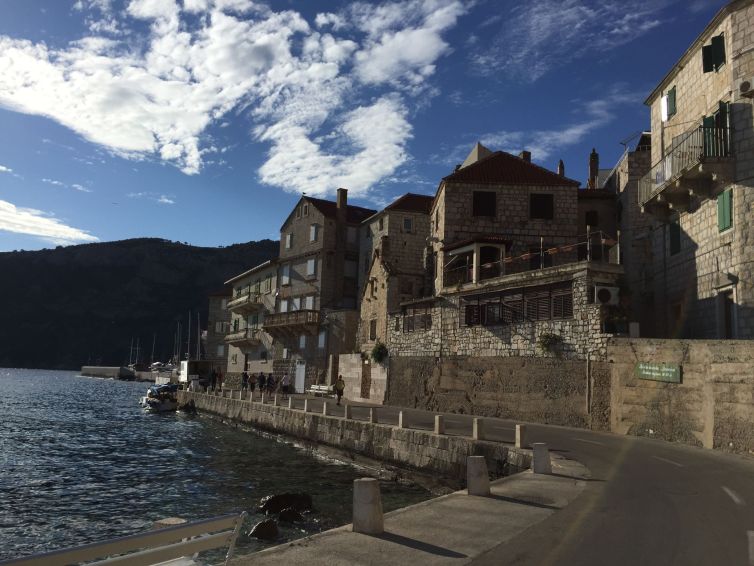
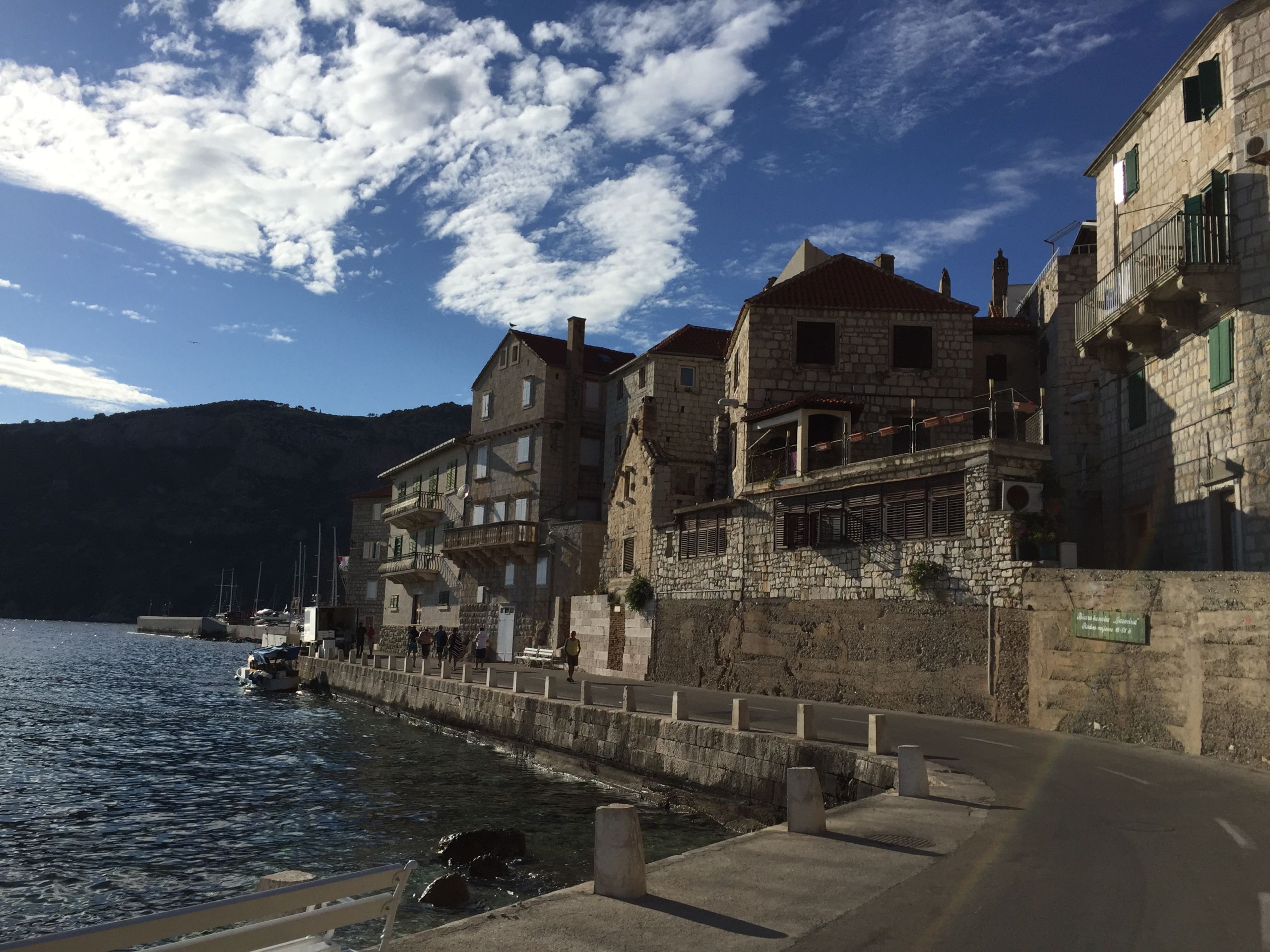
The island’s second town, after Vis, is Komiža – a charming fishing village known for its romantic atmosphere and spectacular sunsets. Located on the opposite side of the island, Komiža does not date back to antiquity but began to develop in the Middle Ages. It was here that the falkuša, a traditional fishing boat designed for long voyages on the open sea, was built. Fishing traditions have been preserved to this day and remain a visible part of the town’s identity.
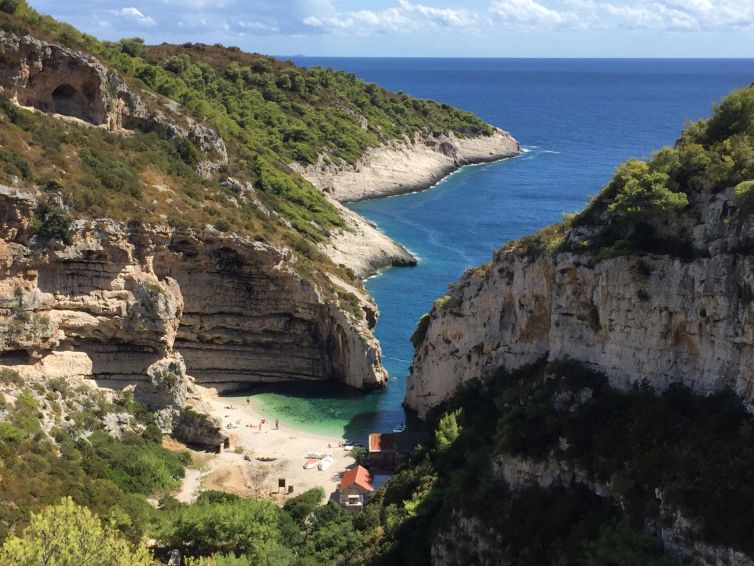
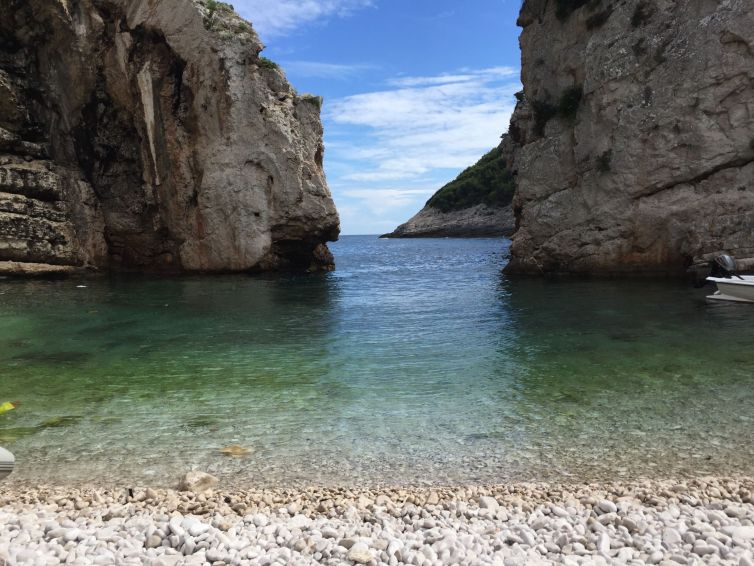
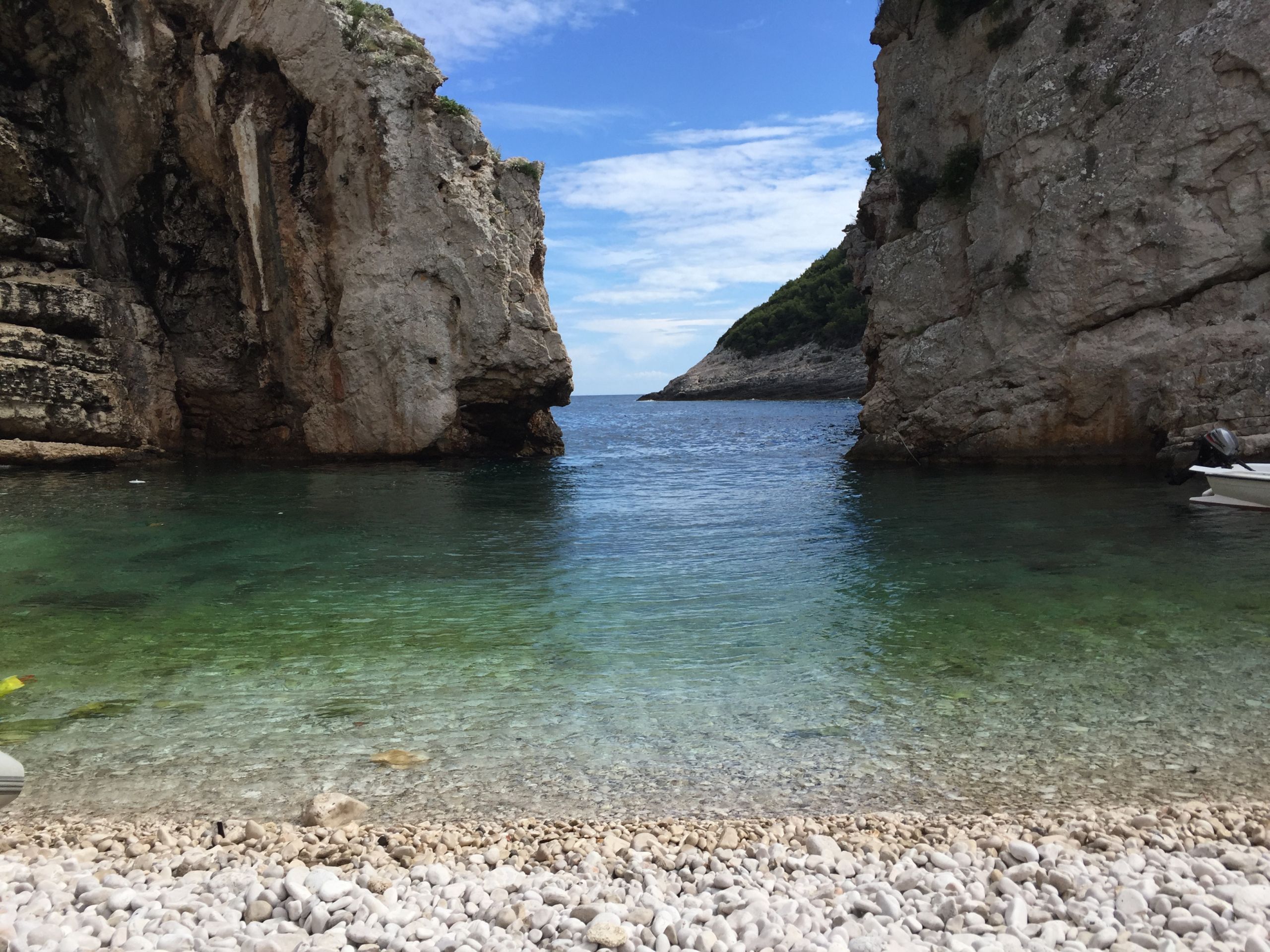
Another reason to visit Vis is its compact size combined with its varied terrain. Driving around the island takes roughly an hour, yet along the way visitors encounter countless remarkable places, including beaches such as Štiniva and Srebrena—both awarded Best Beach in Europe in 2016 in different competitions. Beyond these famous spots, the island offers many secluded coves. Some are accessible only by boat, while others can be reached via steep gravel roads that appeal to off-road drivers and hiking enthusiasts.
Trekking lovers will find even more to explore in the island’s interior, where six marked hiking trails cross the landscape. One of these routes leads to Oključna -also accessible by off-road vehicles – an abandoned village on the northern coast. Once home to a thriving community with a full school, it now has no permanent residents. Oključna is worth visiting not only for its haunting beauty but also for its proximity to the Queen’s Cave (Kraljičina Špilja). Less than an hour’s hike separates the village from this cave, the largest natural cave on the island, renowned for its well-preserved stalactites.
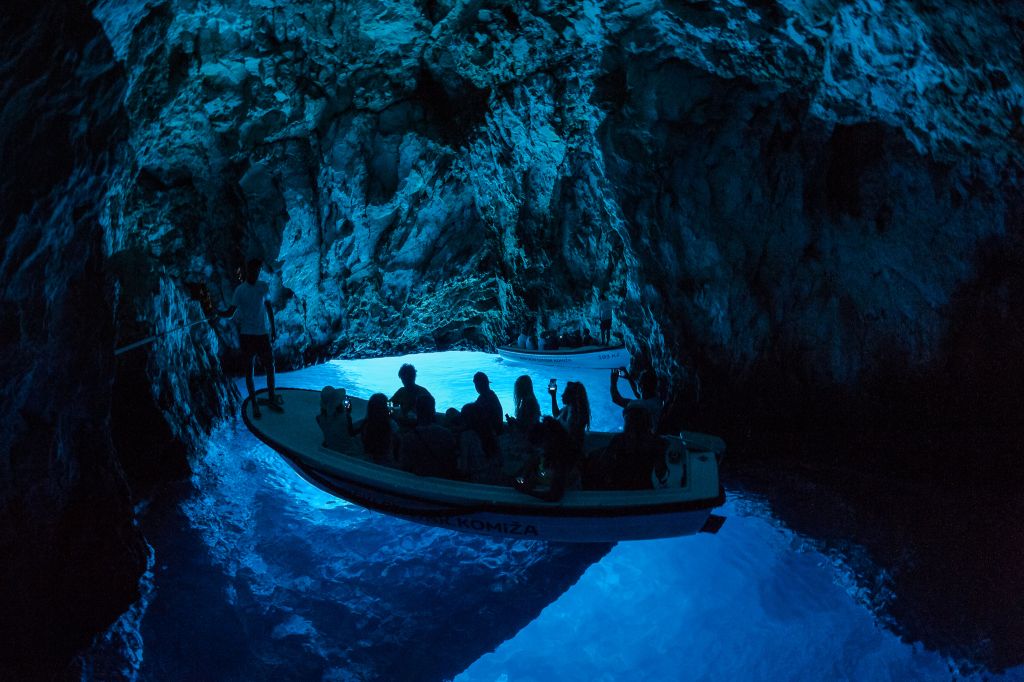
While the Queen’s Cave is the largest cave inland, two other famous caves lie on nearby islands: the Blue Cave (Modra Špilja) on Biševo and the Green Cave (Zelena Špilja) on the islet of Ravnik. Both are accessible only by boat and are extremely popular with visitors.
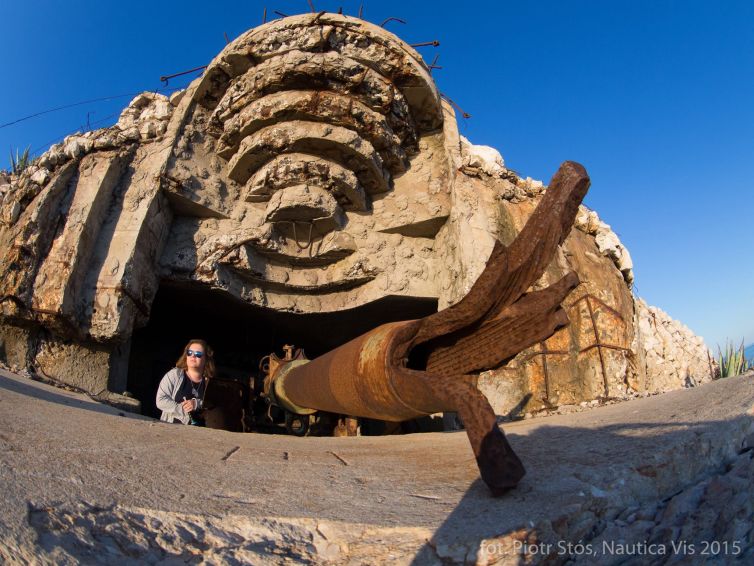
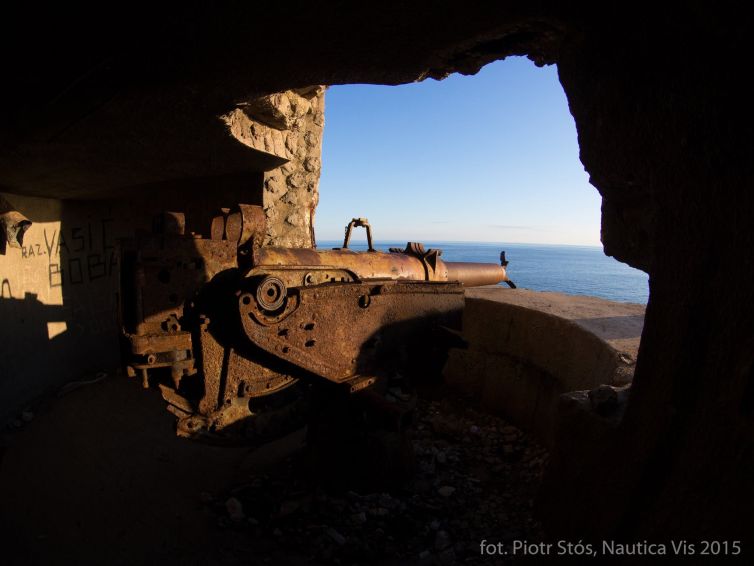
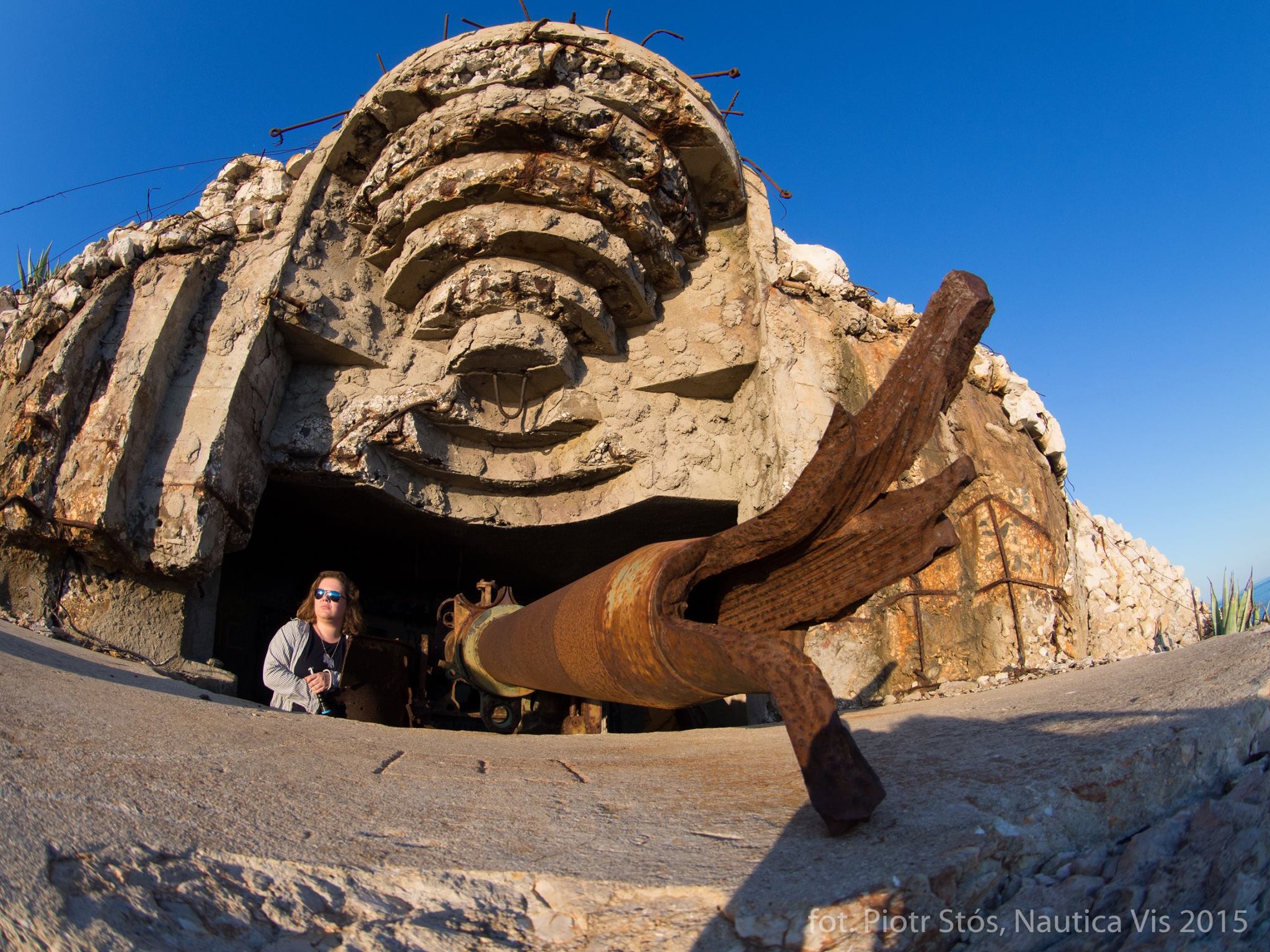
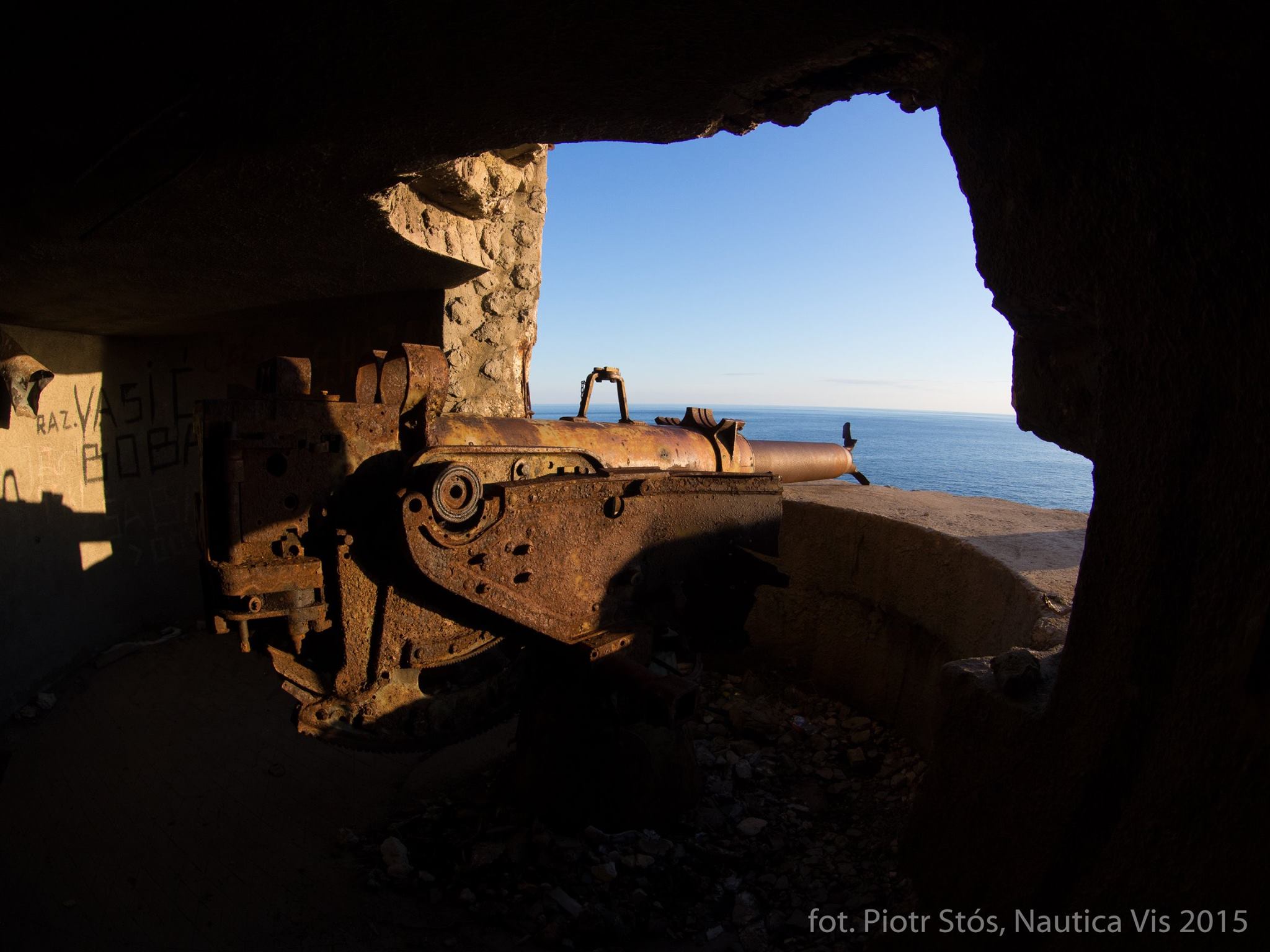
Natural caves are not the only underground features on Vis. After 1945, when the island served as a major Yugoslav military base, numerous bunkers and underground tunnels were constructed. Today, around 30 military sites have been identified. Although some tour operators offer guided military tours, most of these sites can be explored without special guidance. Among the most impressive is the complex on the Stupišće peninsula, featuring abandoned barracks and a massive bunker system built in anticipation of a potential attack from Italy. Remarkably, the cannons are still in place.
Deeply concerned about invasion, the Yugoslav army concealed much of its infrastructure within the island’s interior. Near the island’s highest mountain lies Tito’s Cave (Titova Špilja), believed to have housed the headquarters of Tito’s command during World War II. While the cave itself is fascinating, the real highlight is the view from the nearby highest peak of Vis – Hum (Sveti Duh).

Can non divers try diving?
Can non-divers dive on Vis?
The answer is simple: yes, they can.
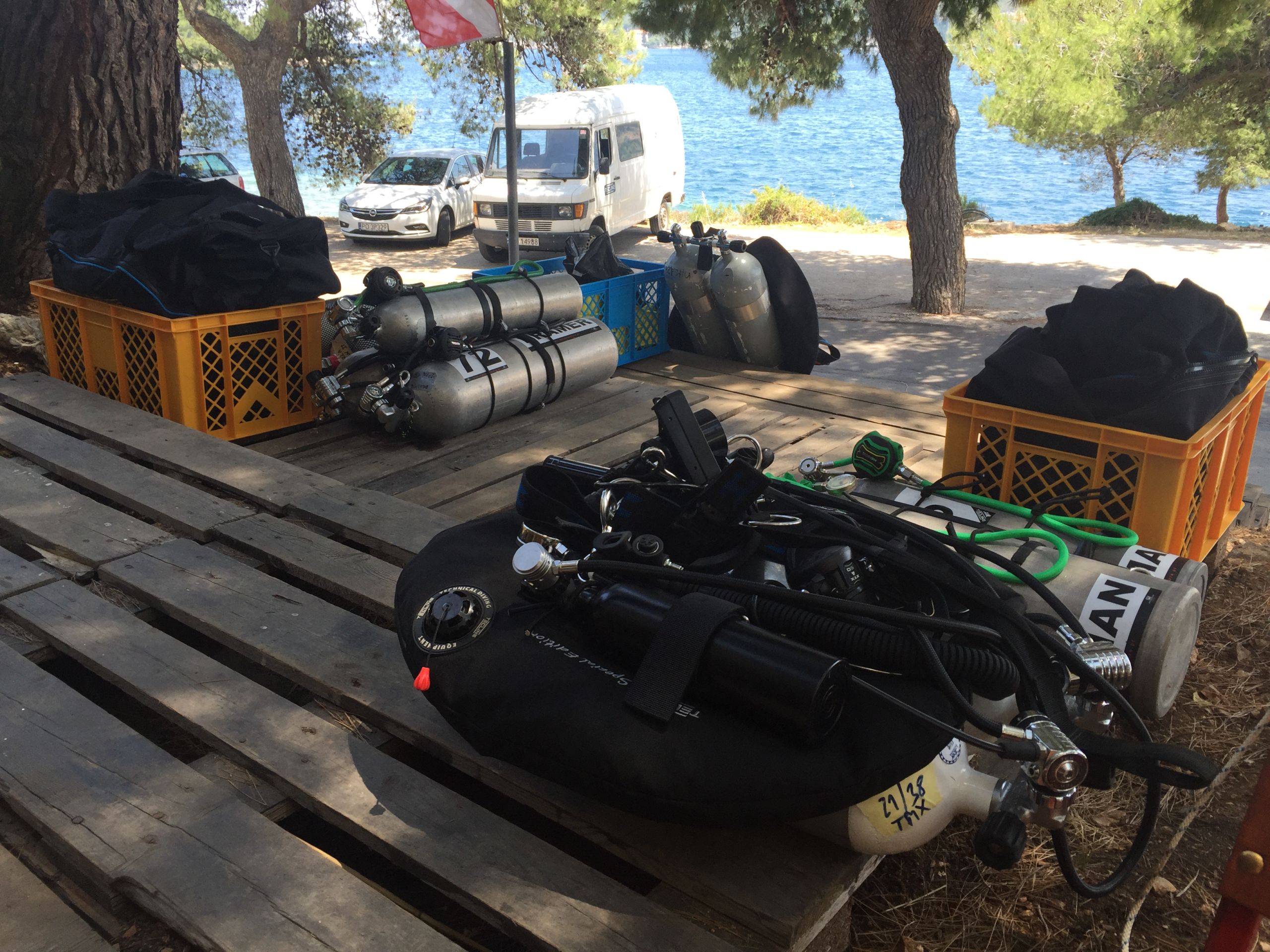
The idea that diving is for everyone is more than just a slogan. We offer a special program designed specifically for non-divers who want to discover what makes the underwater world so fascinating.
The goal of this program is not to turn beginners into certified divers, but to introduce them to the beauty of the underwater world—entering a zone of silence and experiencing true weightlessness. The program begins with a short theoretical session of around 30 minutes, during which participants are introduced to diving equipment and learn basic principles of the aquatic environment and safe behavior underwater.
This is followed by a real dive. Under the close supervision of experienced instructors, participants spend at least 20 minutes underwater, reaching a maximum depth of 6 meters.
For more details, please see our introductory diving program.
Boat trips
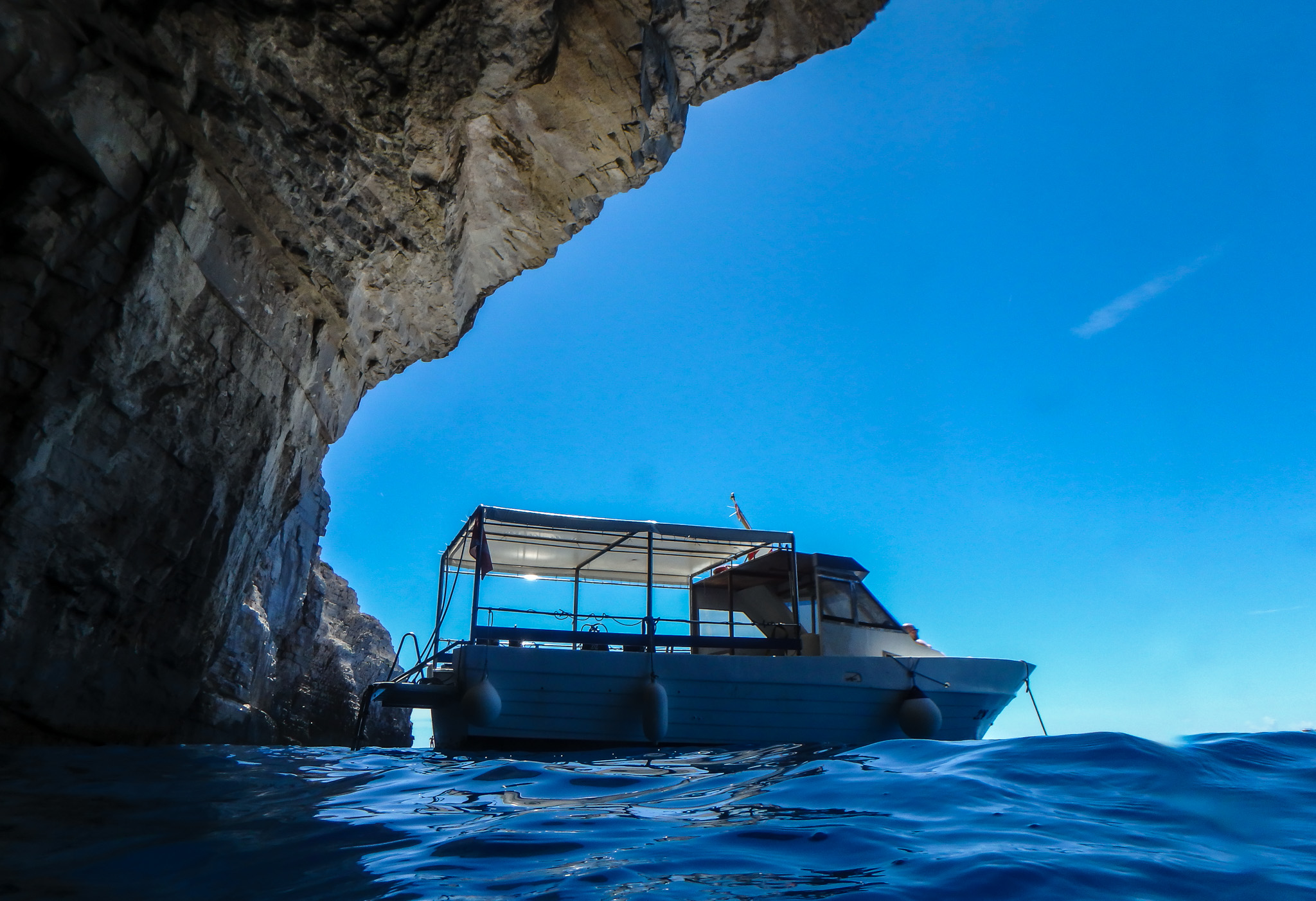
The beauty of the island of Vis can be enjoyed both from the inland paths and from the sea. Exploring the island by boat is not reserved for divers only non-divers are also welcome to join our trips for sunbathing, swimming, and snorkeling.
Nautica Vis offers daily boat trips, all departing from the town of Vis. Routes and durations vary, depending on the itinerary and the interests of our guests. Highlights include the former Yugoslav military tunnels for naval vessels in Parja Bay, as well as several picturesque bays accessible only by boat, such as Mala and Vela Smokova. We also recommend a visit to Štiniva Beach, which can be reached either from the sea or via a demanding hike from inland.
Trips may also include nearby islets, such as the Green Cave on the islet of Ravnik, the lively beach bar on Veli Budikovac, andone of the region’s most famous attractions – the Blue Cave on the island of Biševo. Along the way, boats can stop at selected locations for swimming or snorkeling.
Routes are tailored individually and adjusted to the preferences of our guests. Please contact us for more information or to plan your trip.

Peka - traditional Dalmatian dish
For many visitors, one of the reasons for choosing Croatia as a holiday destination is its outstanding Dalmatian cuisine. Whether you come for creamy gelato, grilled fish, seafood risotto, or even pizza with a rich cream sauce, one thing is certain: no culinary experience is complete without trying peka.
Peka is a traditional baked dish prepared in a cast-iron pot, slow-cooked for several hours under hot embers. It typically combines meat-most often lamb or veal-or octopus with vegetables such as potatoes, zucchini, onions, carrots, and cherry tomatoes, all infused with the aroma of local herbs and spices. The dish is served with fresh, soft bread and accompanied by local wine and a selection of traditional homemade spirits.
After years of tasting peka in different places, we found the best one deep in the island’s interior. If you would like to experience it for yourself, please contact us – we will be happy to arrange this unforgettable culinary treat for you.